“Fast Fashion Harms The Environment Through Overproduction And Waste.”
Mar 25,2024 | Zieline
The Environmental Impact of Fast Fashion: Overproduction and Waste.
Fast fashion has revolutionized the clothing industry, providing consumers with affordable and trendy clothing at a rapid pace. However, the dark side of fast fashion lies in its significant environmental impact. This article explores how overproduction and waste contribute to environmental degradation and what steps can be taken to mitigate these effects.
1. Overproduction in Fast Fashion:
- Fast fashion brands produce clothing in large quantities to keep up with constantly changing trends and consumer demand.
- Overproduction leads to excess inventory, as retailers often order more garments than they can sell within a season.
- The pressure to produce new collections at a rapid pace results in the exploitation of natural resources and increased energy consumption.
2. Environmental Consequences of Overproduction:
- Excessive water usage: Fast fashion relies heavily on water-intensive processes such as cotton cultivation, dyeing, and finishing. This contributes to water scarcity in regions where resources are already limited.
- Chemical pollution: The use of toxic chemicals in dyeing and finishing processes contaminates water sources and soil, posing risks to ecosystems and human health.
- Greenhouse gas emissions: Manufacturing, transportation, and disposal of fast fashion garments generate greenhouse gas emissions, contributing to climate change and air pollution.
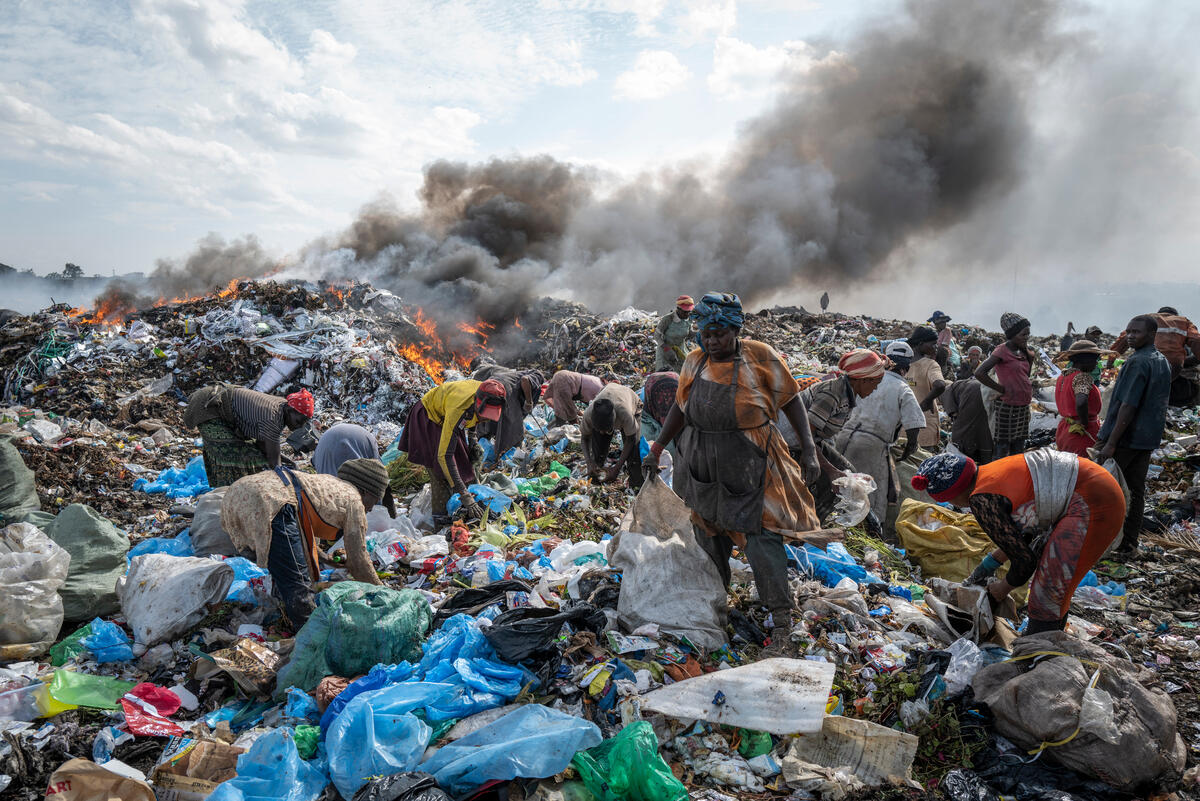
- Landfill waste: Overproduction results in vast quantities of unsold and discarded clothing ending up in landfills. Synthetic fabrics take hundreds of years to decompose, further exacerbating waste management challenges.
3. The Cycle of Waste in Fast Fashion:
- Disposable mentality: Fast fashion promotes a culture of disposability, where clothing is treated as transient and easily replaceable.
- Shortened product lifecycle: Trends change rapidly, causing consumers to discard clothing after only a few wears, leading to a cycle of constant consumption and disposal.
- Lack of recycling infrastructure: Limited options for recycling or repurposing clothing contribute to the accumulation of textile waste in landfills.
4. Solutions to Mitigate Environmental Impact:
- Sustainable production practices: Adopting eco-friendly materials, reducing water and energy consumption, and minimizing chemical use can mitigate the environmental impact of fast fashion.
- Circular fashion initiatives: Implementing circular economy principles, such as clothing rental, resale, and repair programs, can extend the lifespan of garments and reduce waste.
- Consumer education: Raising awareness about the environmental consequences of fast fashion and promoting mindful consumption habits can empower consumers to make sustainable choices.
- Industry regulation: Governments and regulatory bodies can enforce stricter environmental standards and incentivize sustainable practices within the fashion industry.
Taking Initiative
Not only are global fashion brands engaging in unsustainable practices but they are also being secretive about how much fashion is being produced at any given time. We can no longer allow them to write their own rules at our expense and that of the environment.
The time has come for us as consumers to hold these brands and our governments accountable for their role in the fashion waste crisis. We must call for our governments to enforce stricter environmental standards and demand transparency from fashion brands. We must also insist that the global fashion industry adopt sustainable practices, starting with reducing the volume of garments they produce.
Others ways we can create change with respect to fashion waste include:
- Raising awareness about the environmental cost of fast fashion and fashion waste
The damage fast fashion and the resulting fashion waste causes to our environment is clear. However, many consumers are oblivious to the impact their buying habits have on the environment. Raising awareness about these repercussions can have a positive impact as it enables consumers to take accountability for their actions and act consciously to safeguard their environment. Different ways you can raise awareness include organising educational workshops in your locality, documenting fashion waste and sharing it online for other users to see, and having discussions with friends, colleagues and family.
- Building sustainable fashion habits
Building sustainable fashion habits is a progressive task. One way to achieve it is to prioritise quality over quantity so your clothes can last longer. Remember to choose something that is as versatile as it is durable. Clothing swaps are a sustainable way of upgrading your wardrobe without incurring any cost.
- Supporting local sustainable fashion brands
Supporting local fashion businesses is crucial in alleviating the fashion waste problem in Africa. More so, it is imperative to choose a brand that promotes sustainability. Ensure you thoroughly evaluate the brand to verify that it is indeed sustainable and do not hesitate to recommend the brand to others. Building a sustainable local textile industry may take time but with the right incentive, it is bound to grow into a powerhouse.
- Practising upcycling
Upcycling is an ideal method of recycling textile and tackling fashion waste. Leg warmers made from old sweaters or heavy socks, pillow cases repurposed from old dresses or leftover fabric, and jeans transformed into shorts are all examples of upcycling. You can access unlimited resources online to learn more about upcycling, visit upcycling stores to get your clothes repurposed, or find upcycling workshops in your area to learn the skill.
Comment